
En Defensa del Cómic de The Boys
Hay una parca recorriendo Hollywood. Es la misma Parca que nos trajo el final de Game Of Thrones, que nos dejó el final de Stranger Things y que ahora ha tomado como víctima a la serie de The Boys.
En efecto, el final fue malo. Muy malo. Tan malo como para provocar colapsos mentales en aquellas personas investidas en la serie.
Yo no soy una de esas personas.
Les digo, yo de por si tengo la mala, MALÍSIMA costumbre de rechazar las cosas que me quieren convencer por todo lo alto que son lo mejor que ha sucedido desde el pan en rebanadas. Pero, sumado a esto, estaba además el profundo y amargo desdén que todos quienes hablaban de la serie tenían hacia el material original, material del que soy fan. Todos decían lo mismo, como si les hubieran dado el panfleto propagandístico oficial: que la serie había "arreglado" la historia del cómic. La gota que rebalsó el vaso y que me hizo activamente despreciar la existencia de la serie fue cómo ésta tenía un enfoque insidioso y enfermizo en Homelander, al punto de que, a efectos prácticos, la serie era más "El Show de Homelander" que otra cosa.
En pocas palabras: The Boys (la serie) no era "The Boys" (el concepto original). La serie era un Skinwalker que usaba la piel de The Boys para, a lo mejor, quitarse algunos problemas legales de en medio a la hora de hacer un show sobre superheroes corruptos. Nada de mi interés.
La cosa es que... dicen que si se repite mucho algo, o eso se vuelve verdad o es que eso de hecho siempre fue verdad. La idea de que "El cómic de The Boys es malísimo" comenzó a meterse dentro de mi piel, haciéndome dudar de si en verdad había disfrutado el cómic o si solo hablaba mi nostalgia. Aprovechando el interés que me trajo el estrepitoso fracaso que fue el final de la serie, quise hacer una relectura y averiguar si yo me había equivocado...
Mi conclusión: ¡JÓDANSE, PUTOS HATERS! ¡EL CÓMIC DE THE BOYS ES GENIAL! ¡GARTH ENNIS ES MEJOR ESCRITOR QUE ERICK KRIPKE!
Ahora, tampoco nos volvamos locos. No digo ni jamás diré que el Cómic es una maravilla perfecta y que todos deben de leerlo. Esta muy lejos de eso, diría que a años luz.
Muy a mi pesar, The Boys es ese tipo de cómic al que jamás te acercarías a no ser que tengas una inclinación y/o resistencia por el morbo y lo escatológico. Para mí, está prácticamente al mismo nivel que el manga de Ichi The Killer (Jamás lean Ichi The Killer. Es bueno, pero no vale la pena leerlo. Ciertas cosas es mejor nunca experimentarlas. Pero si lo hacen, quizá tampoco se arrepientan. O quizá si, y mucho. No lean el manga, por favor.). No se me ocurre ninguna persona sobre la faz de la tierra en la era moderna a la cual le pueda gustar el cómic que no sea un puberto, calenturiento, morboso y/o con el cerebro frito. Ni siquiera puedo entender por completo cómo es que yo le puedo encontrar el gusto (¿Tendré acaso el cerebro frito?). Tratar de encontrar el jugo de la historia se vuelve difícil cuando tienes que rebuscar entre kilos y kilos de humor pedorro del siglo pasado, que quizá solo encuentran gracioso Adam Sandler, los creadores de South Park y un tipo particular de persona de la Generación X. No lo niego, este aspecto es de lejos el punto más flojo de la escritura de Ennis en general, no logro comprender por qué se empeña tanto en mantener esa actitud tan edgy y adolescente...
Pero de que hay valor, hay valor.
Es un valor más allá de lo que muestra la serie. Por decir, esta última toma a los súpers como metáfora de otras cosas (famosos, políticos, etc); el cómic, en cambio, va más allá y los toma como realidad, y a partir de esa realidad ficticia habla de nuestra realidad. Este acercamiento vuelve al cómic en algo atemporal, mientras que la serie dentro de un par de años se sentirá muuuuuy vieja.
Ennis toma a los súpers para hablar del poder mismo, cómo éste afecta a los individuos y consecuentemente a la sociedad. Los muchachos no son un grupo de antihéroes antisistema, en realidad son parte del sistema, trabajan para la CIA. El conflicto entre Los Muchachos y los Siete es en realidad una lucha de poder entre el gobierno estadounidense y Vought. Los Muchachos no son héroes ni justicieros. Si los Siete son "los héroes" de ese mundo, Los Muchachos son activamente villanos, y actúan como tal.
Además, el mundo en el que se desarrolla el cómic no es un mundo "con súpers" como en la serie; osea, nuestro mundo, pero da la casualidad que hay gente con poderes. No, es un mundo "de súpers", donde estos son parte de la mitología y zeitgeist, presentes más allá de la cultura pop y, más importante aún, de las fronteras de los Estados Unidos. Tienen más peso y significado.
Siempre me ha parecido que la serie hizo de "menos" al mundo del cómic. Lo simplificó y redujo a un punto más, digamos, digerible; pero a su vez falto de lustre o interés. En los cómics hay incluso súpers soviéticos que han existido por décadas, en la serie es difícil imaginarse algo así. En general, resulta casi imposible imaginarse que existan súpers por fuera de las fronteras de Estados Unidos en el mundo de la serie. ¿De verdad me tengo que creer que el resto del planeta está feliz y contento de que en gringolandia tengan a un súperman malvado y que no se pusieron a investigar para tener a sus propios súpers con el mismo nivel de poder, así como pasó con las bombas nucleares? Puede que en la serie dieran una explicación pedorra para eso, pero no tengo el interés para averiguarlo.
El mundo del cómic resulta más plausible. Homelander es una cosa grande, si. Pero no es "la gran cosa". El solo no puede acabar con todo un país, no es un Dios ni mucho menos una mente maestra malvada. No es un líder carismático o un villano trágico. Es una herramienta. De allí el Plot Twist del cómic (De todos modos no lo van a leer, da igual los Spoilers) de que Homelander había sido clonado para poder ser fácilmente reemplazado, como toda herramienta.
Algo que me saca un poco de quicio es el afán que tienen algunos autores modernos de "humanizar" todo lo que tienen al frente. A veces pienso que algunos escritores de Hollywood serian capaces de "humanizar" una tostadora porque si, aun si no hay ninguna razón para hacerlo (en ese sentido, no me sorprende que haya tanta gente "humanizando" la IA). Le ponen pasado trágico a todo, le suman más y más dimensiones a todo hasta convertir a los personajes en teseractos multidimensionales que al final dan la vuelta y se vuelven planos, actuando según como convenga a la trama. Y si algo resulta incoherente, es solo que son "muy profundos" y "complejos".
Para mí, lo peor que hicieron fue el tratar de "arreglar" a Homelander. El hecho de que algo haya sido "arreglado" no implica que fuera lo mejor por hacer o incluso necesario. El contexto y el objetivo son primordiales. "Arreglaron" a Homelander sin saber en realidad por qué lo hacían. Si lo hubiesen sabido desde el principio, el final de la serie no hubiera sido el que fue. Pusieron toda la carne en el asador, y se olvidaron de traer platos pa' repartir. Entonces el publico terminó con las manos quemadas.
Hay veces en las que un villano sencillamente malvado funciona y ya. El villano es, al fin y al cabo, un obstáculo para el protagonista, que es el bueno. Si terminas haciendo dicho obstáculo infinitamente más interesante que al bueno, lo mejor seria que te pongas a hacer Braking Bad, o Death Note o una historia similar donde el malvado, el personaje más interesante, es el protagonista. Quizá le hubiera ido mejor a la serie si se hubiese ido full "Show de Homelander", pero se asustaron de su propia sombra.
Homelander era funcional para el tipo de historia que es el cómic de The Boys. El Homelander de la serie se les fue tanto de las manos que tuvieron que dar un parón de golpe, y con eso se rompieron el cuello por el latigazo. Allí está el peligro de escribir algo sin un propósito, porque resulta que aquello que volverá tu obra algo entrañable o una pérdida de tiempo es la forma en la que concluye.
Ennis escribió The Boys con un propósito claro. Sabia el tipo de historia que quería contar y cómo quería contarla. No es ni por asomo perfecta, y no es para todo el mundo, ya he dicho cuales son solo algunos de mis problemas con Ennis como escritor (y si, he dicho algunos, porque me guardo muchos más). Pero si algo es seguro es que él al menos fue más honesto con la historia, más auténtico. Por muy "malo" que sea el cómic, The Boys es "The Boys".
En fin, no lean el cómic de The Boys, no vean la serie si aun no lo han hecho, hagan de cuenta de que The Boys como concepto no existe, quizá eso sea lo mejor.
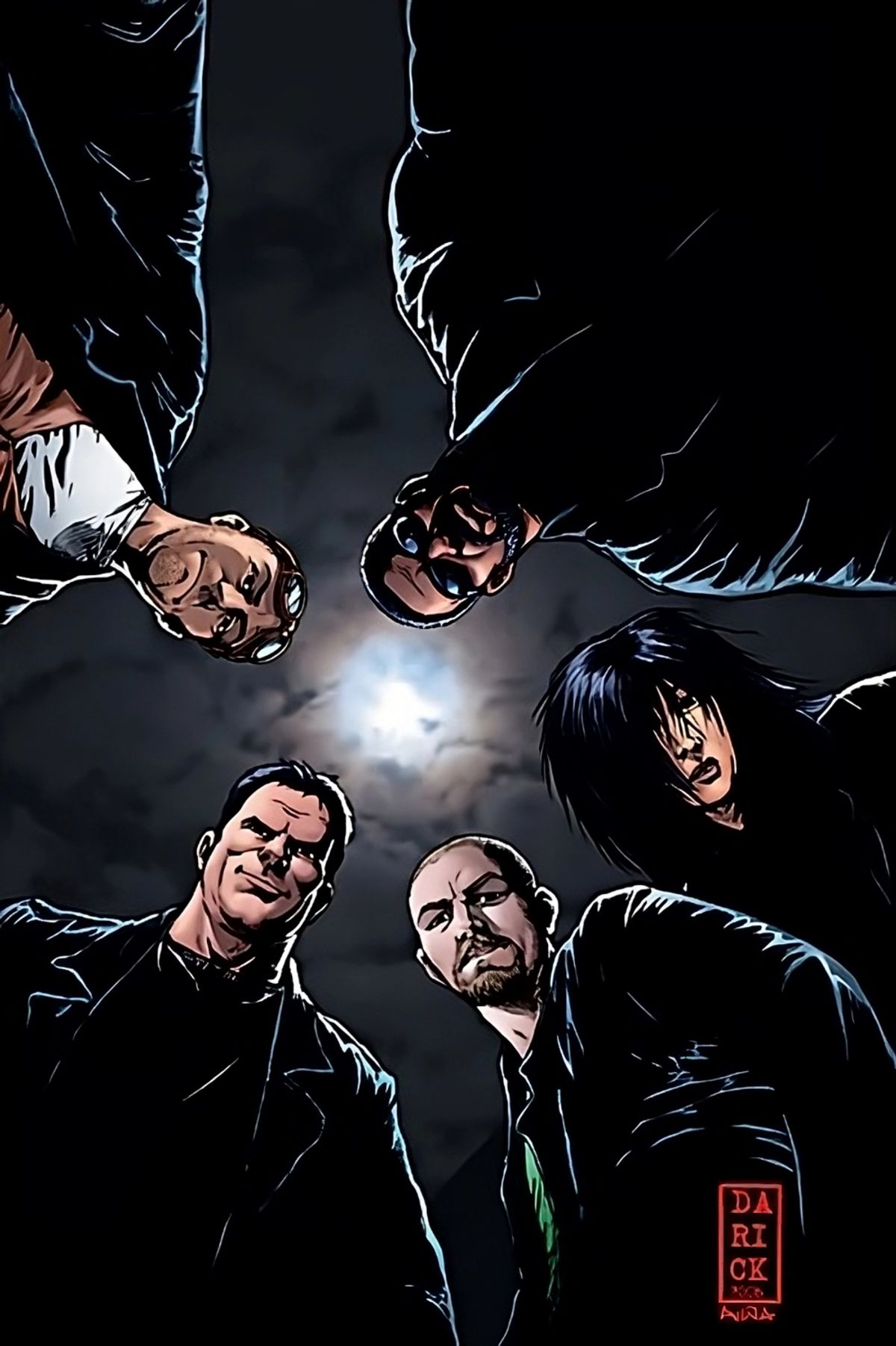
In Defense of The Boys Comic Book
There's a Grim Reaper stalking Hollywood. It's the same Reaper who brought us the end of Game of Thrones, who left us with the end of Stranger Things, and who has now claimed The Boys as their victim.
Indeed, the ending was bad. Very bad. So bad that it caused mental breakdowns in those who watched the show.
I am not one of those people.
Let me tell you, I already have the terrible habit of rejecting things that try to convince me, with all the fanfare, that they're the best thing since sliced bread. But, in addition to that, there was also the deep and bitter disdain that everyone talking about the show had for the original material, material I'm a fan of. They all said the same thing, as if they'd been handed the official propaganda pamphlet: that the show had "fixed" the comic's story. The final straw that made me actively despise the show existence was its insidious and unhealthy focus on Homelander, to the point that, practically speaking, the show was more "The Homelander Show" than anything else.
In short: The Boys (the show) wasn't "The Boys" (the original concept). The show was a Skinwalker using The Boys' skin, perhaps to avoid some legal issues when making a show about corrupt superheroes. None of my interest.
The thing is... they say that if something is repeated often enough, it either becomes true or it was always true. The idea that "The Boys comic is terrible" started creeping into my mind, making me doubt whether I had actually enjoyed the comic or if it was just my nostalgia talking. Taking advantage of the interest sparked by the resounding failure of the show finale, I decided to reread it and find out if I had been wrong...
My conclusion: FUCK YOU, HATERS! THE BOYS COMIC IS GREAT! GARTH ENNIS IS A WAAAY BETTER WRITER THAN ERICK KRIPKE!
Now, let's not get carried away. I'm not saying, and I never will say, that the comic is a perfect marvel that everyone should read. It is far from that, light years away.
Much to my dismay, The Boys is the kind of comic you'd never go near unless you enjoy or resist morbid and scatological material. For me, it's practically on par with the Ichi the Killer manga (Never read Ichi the Killer. It's good, but not worth reading. Some things are better left unexperienced. But if you do, maybe you won't regret it... Or maybe you will, and badly. Please don't read the manga.). I can't think of a single person on the face of the earth in the modern era who could like the comic other than a horny, morbid, and/or brain-fried teenager. I can't even fully understand how I could possibly enjoy it (Am I brain-fried, perhaps?). Trying to find the heart of the story becomes difficult when you have to sift through layers and layers of tacky, outdated humor, the kind that only Adam Sandler, the creators of South Park, and a certain type of Gen Xer would find funny. I won't deny it, this is by far the weakest point of Ennis's writing in general; I just can't understand why he insists so much on maintaining that edgy, adolescent attitude...
But there is heart deep down there. A value.
It's a value that goes beyond what the show portrays. For example, the show uses superheroes as metaphors for other things (celebrities, politicians, etc.); the comic, on the other hand, goes further and treats them as reality, and from that fictional reality, it speaks to our reality. This approach makes the comic timeless, while the show will feel very, very old in a couple of years.
Ennis uses the Supes to explore power itself, how it affects individuals and, consequently, society. The Boys aren't a group of anti-establishment antiheroes; they're actually part of the system, working for the CIA. The conflict between the Boys and the Seven is, in reality, a power struggle between the US government and Vought. The Boys aren't heroes or vigilantes. If the Seven are "the heroes" of that world, the Boys are actively villains, and they act accordingly.
Furthermore, the world in which the comic is set isn't a world "with superheroes" like in the show; that is, our world, but it just so happens that some people have powers. No, it's a world "of superheroes," where they are part of the mythology and zeitgeist, present beyond pop culture and, more importantly, beyond the borders of the United States. They have more weight and significance.
I've always felt that the show diminished the world of comics. It simplified it and reduced it to something more, let's say, digestible; but at the same time, lacking in polish or interest. In the comics, there are even Soviet superheroes who have existed for decades; in the show, it's hard to imagine something like that. In general, it's almost impossible to imagine superheroes existing outside the United States in the world of the show. Am I really supposed to believe that the rest of the planet is happy and content that in America they have an evil Superman? And that they didn't bother to research how to have their own superheroes with the same level of power, like what happened with nuclear bombs? Maybe the show offered some lame explanation for that, but I'm not interested in finding out.
The comic book world is more plausible. Homelander is a big deal, yes. But he's not "the big deal." He can't single-handedly destroy an entire country; he's not a god, much less an evil mastermind. He's not a charismatic leader or a tragic villain. He's a tool. Hence the plot twist in the comic (you're not going to read it anyway, spoilers don't matter) that Homelander has a clone so he could be easily replaced, like any tool.
Something that really gets on my nerves is the obsession some modern authors have with "humanizing" everything in sight. I think some Hollywood writers would "humanize" a toaster just because, even if there's no reason to do so (in that sense, it doesn't surprise me that so many people are "humanizing" AI). They give everything a tragic backstory, adding more and more dimensions to everything until they turn the characters into multidimensional tesseracts that eventually flip over and become flat, acting as the plot dictates. And if anything seems incoherent, it's simply because they're "very deep" and "complex."
For me, the worst thing they did was try to "fix" Homelander. Just because something was "fixed" doesn't mean it was the best thing to do or even necessary. Context and purpose are paramount. They wrote "fixed" Homelander character without really knowing why they were doing it. If they had known from the beginning, the show finale wouldn't have been what it was. They went all out and flopped..
Sometimes a simply evil villain works, period. The villain is, after all, an obstacle for the protagonist, who is the good guy. If you end up making that obstacle infinitely more interesting than the good guy, you'd be better off making Breaking Bad, or Death Note, or a similar story where the villain, the most interesting character, is the protagonist. Perhaps the show would have been better off going full "Homelander Show," but they were scared of their own shadow.
Homelander was functional for the kind of story that The Boys comic book is. The Homelander in the TV show got so out of hand that they had to stop abruptly, and in doing so, they broke their necks from the whiplash. That's the danger of writing something without a purpose, because what will make your work endearing or a waste of time is how it ends.
Ennis wrote The Boys with a clear purpose. He knew the kind of story he wanted to tell and how he wanted to tell it. It's far from perfect, and it's not for everyone. I've already mentioned just a few of my issues with Ennis as a writer (and yes, I've said a few, because I have many more). But if one thing is certain, it's that he was at least more honest with the story, more authentic. However "bad" the comic may be, The Boys (comic) is "The Boys."
In short, don't read The Boys, don't watch the show if you haven't already, pretend that The Boys as a concept doesn't exist, maybe that's for the best.